


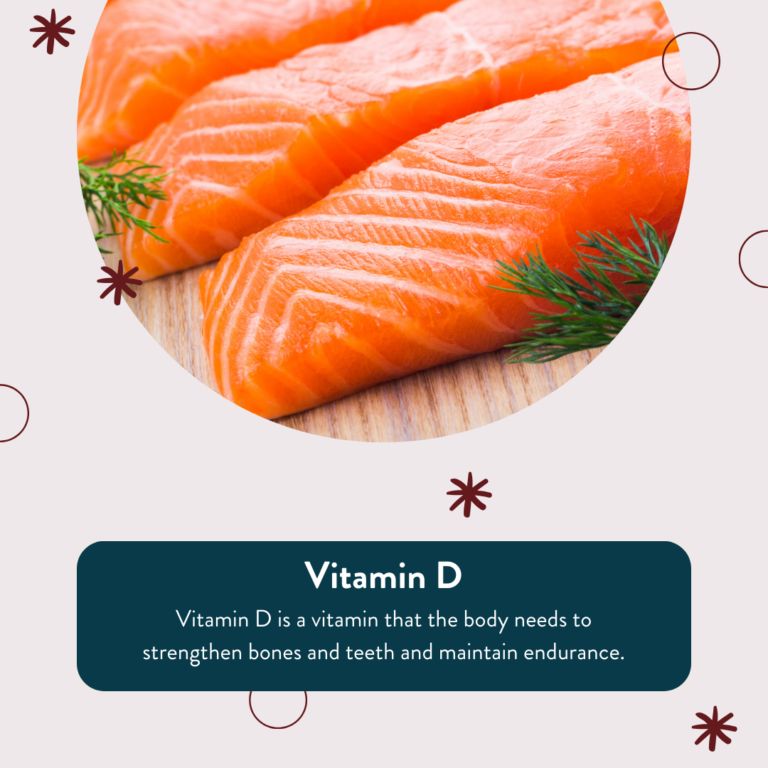
In the realm of vital nutrients, Vitamin D holds a pivotal position, particularly during the winter months in regions like the UK, where sunlight exposure wanes.
This article aims to explore the significance of Vitamin D, methods to boost its levels during winter, risks associated with its deficiency, and the factors contributing to increased susceptibility to deficiency.
Understanding Vitamin D:
Vitamin D, often referred to as the “sunshine vitamin,” is not just a singular nutrient but a group of fat-soluble secosteroids. The primary forms essential for human health are Vitamin D2 (ergocalciferol) and Vitamin D3 (cholecalciferol). Sunlight exposure triggers the body’s production of Vitamin D, while some foods also contain this vital nutrient.
Importance of Vitamin D:
Vitamin D plays a pivotal role in various bodily functions, notably in the absorption of calcium, vital for maintaining bone health and strength. Additionally, it supports immune function, regulates cell growth, and impacts muscle health. Research suggests that adequate Vitamin D levels might reduce the risk of certain diseases, including heart disease, certain cancers and autoimmune conditions.
Boosting Vitamin D Levels During Winter:
The winter season in the UK often brings reduced sunlight exposure, making it challenging to maintain optimal Vitamin D levels.
Here are strategies to boost Vitamin D levels during this period:
1. Maximise Sunlight Exposure: Aim for brief but consistent periods outdoors during daylight hours. Expose larger skin areas, like arms and legs, for better Vitamin D synthesis.
2. Dietary Sources: Include Vitamin D-rich foods in your diet, such as fatty fish (salmon, mackerel, sardines), egg yolks, and fortified foods like dairy products, orange juice, and cereals.
3. Consider Supplements: Consult a healthcare professional to determine if Vitamin D supplements are necessary, particularly during winter when natural sunlight exposure is limited.
4. Get Active: Combine outdoor activities or exercises with sunlight exposure to enhance Vitamin D synthesis and overall well-being.
The Vital Role of Supplements and Vitamins in Maintaining Vitamin D Levels
While the primary source of Vitamin D is sunlight, the winter season , marked by limited sunlight exposure, prompts the need for alternative measures to maintain adequate Vitamin D levels. This is where supplements and fortified foods step in.
Supplements:
Vitamin D supplements become especially valuable during the winter months when natural sunlight exposure is scarce. Consulting a healthcare professional to determine the appropriate dosage can be immensely beneficial. Vitamin D supplements come in various forms, such as tablets, capsules, and even drops, making it convenient for individuals to ensure they meet their recommended intake.
Fortified Foods:
Fortified foods play a significant role in addressing Vitamin D deficiencies. Many food items, such as certain dairy products, breakfast cereals, and orange juice, are fortified with Vitamin D, providing an additional source of this essential nutrient. Including these fortified options in your diet contributes to your overall Vitamin D intake.
Understanding Vitamins and Their Synergy:
Vitamins operate in a synergistic manner. Vitamin D, when coupled with other vitamins and minerals, functions more effectively in the body. For instance, Vitamin D works in tandem with Vitamin K to support bone health. It’s crucial to maintain a balanced intake of various vitamins and minerals to ensure their optimal functioning in the body.
The Combination Effect:
Some supplements offer a combination of vitamins, including Vitamin D, to cater to overall health. Combinations like Vitamin D with calcium or other minerals enhance the absorption and utilisation of the nutrients, supporting bone health and other bodily functions.
Cautions and Considerations:
While supplements can be beneficial in maintaining Vitamin D levels, it’s essential to approach their usage prudently. Overconsumption of supplements can lead to Vitamin D toxicity, resulting in adverse effects. Healthcare professionals can help determine the appropriate dosage, ensuring it aligns with individual health needs.
The Risks of Vitamin D Deficiency:
Deficiency in Vitamin D can lead to various health issues, including weakened bones, increased risk of fractures, and compromised immune function. Over the long term, deficiency might contribute to conditions like osteoporosis, cardiovascular diseases, and even mental health issues.
Factors Contributing to Higher Risk:
Several factors increase an individual’s vulnerability to Vitamin D deficiency:
1. Limited Sunlight Exposure: Those with indoor jobs or individuals spending most of their time indoors face a higher risk.
2. Geographical Location: Living in regions with reduced sunlight, such as the UK during winter, impacts Vitamin D production.
3. Darker Skin Tones: Higher levels of melanin reduce the skin’s ability to produce Vitamin D from sunlight.
4. Age and Health Conditions: Older adults, individuals with certain health conditions, and those with malabsorption issues face an increased risk.
5. Dietary Choices: People following strict vegetarian or vegan diets might have limited dietary sources of Vitamin D.
6. Covered Skin: Wearing clothing that covers most of the skin, common in some cultural or religious practices, can limit sun exposure.
As winter descends, especially in regions like the UK where sunlight becomes scarce, maintaining optimal Vitamin D levels is crucial. From maximising sun exposure and dietary changes to considering supplements, a proactive approach can mitigate the risks associated with Vitamin D deficiency.
A balance of sunlight exposure, dietary intake and if necessary, supplementation can significantly impact Vitamin D levels and overall health. It’s essential to be mindful of the risks associated with deficiency and take proactive steps to ensure adequate Vitamin D levels, fostering better health and well-being.